A Shared Visual Language for Gliding’s Historic Performance Badges
New open-source vector files and reference materials are now available for clubs, pilots, designers and media editors.
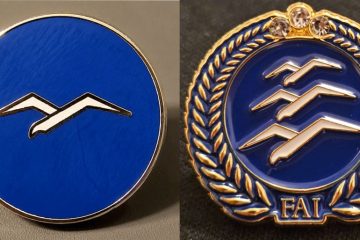
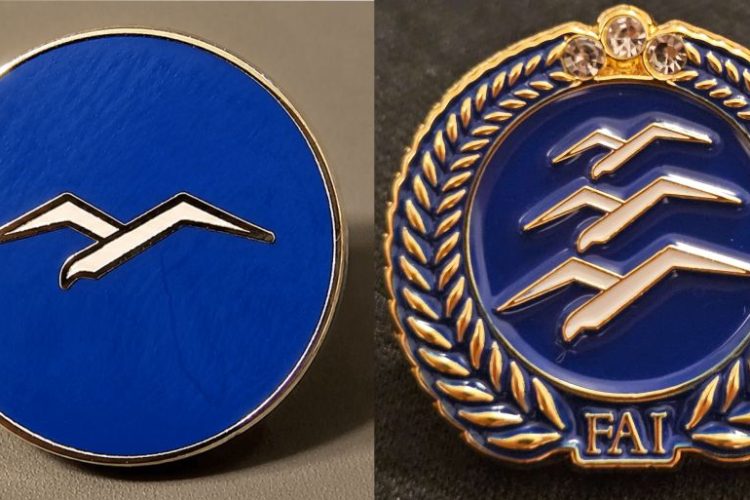
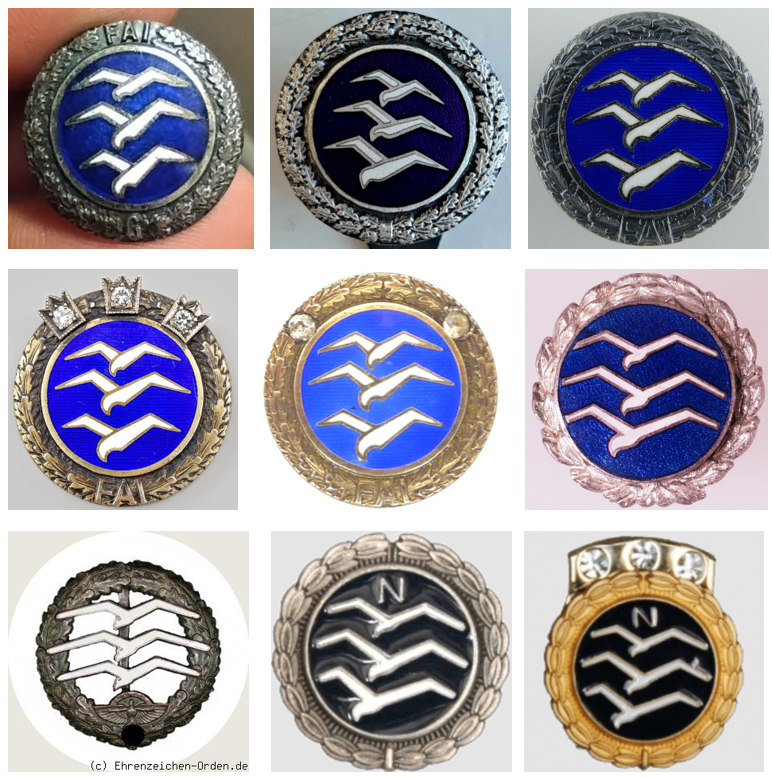
Gliding is a sport with a long memory. We keep logbooks, flight traces, badges, certificates, old photographs and club stories because they connect individual achievements to a much larger tradition. Among the most recognisable symbols of that tradition are the gliding proficiency and performance badges: the blue discs with white gulls, the silver and gold wreaths, the diamonds, and the long-distance diploma badges. These symbols are familiar to generations of glider pilots, but in practical use their graphic appearance has often varied from country to country, club to club, and publication to publication. Old printed badges, scanned images, embroidered versions, website icons and unofficial redrawings all tell the same story — but not always in the same visual language.
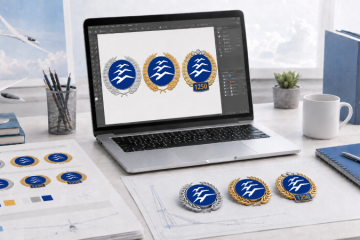
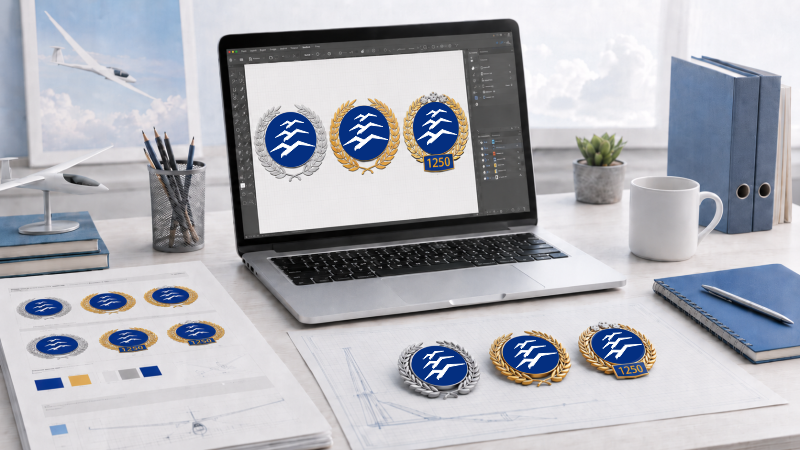
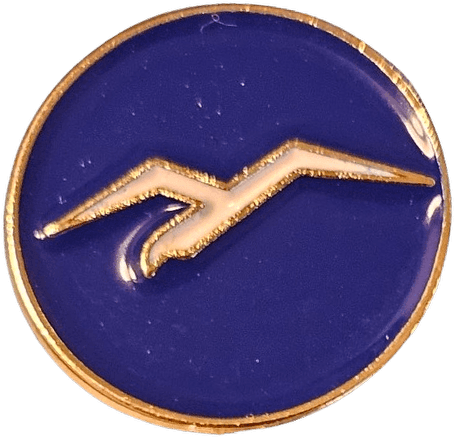
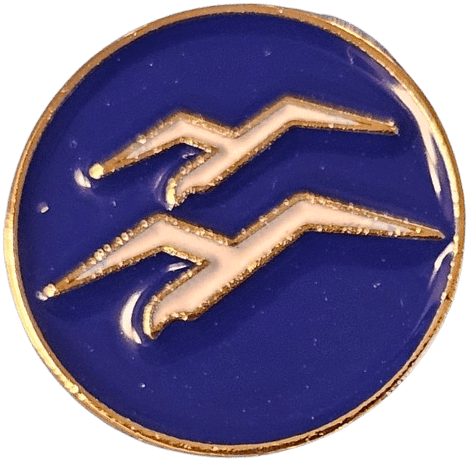
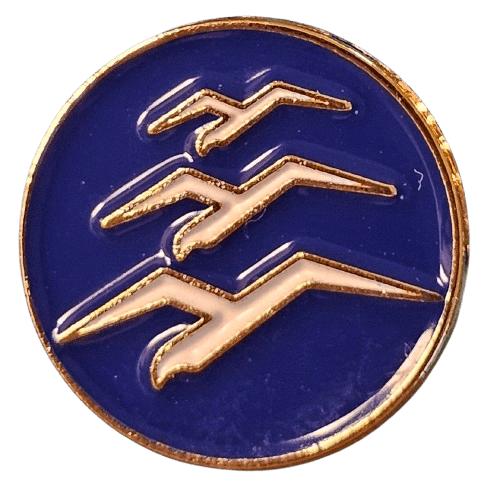
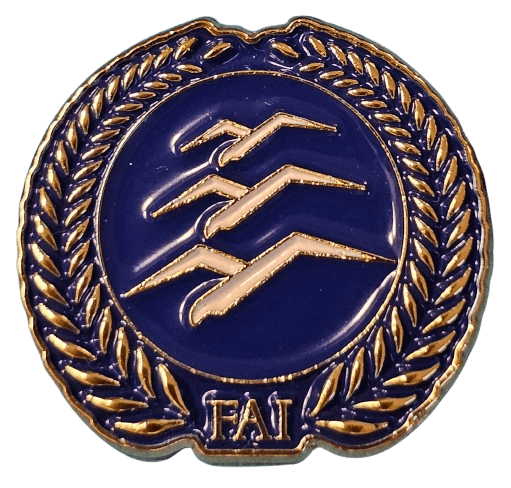
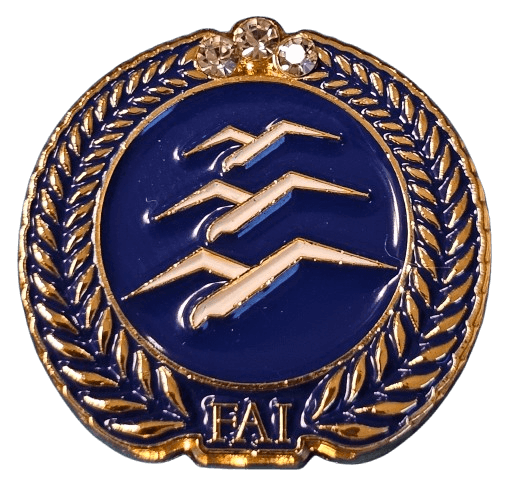
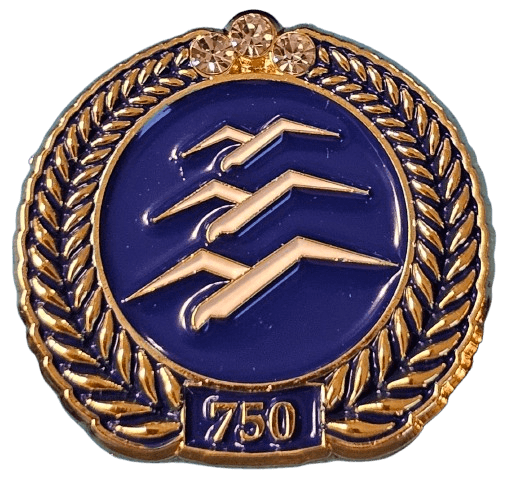
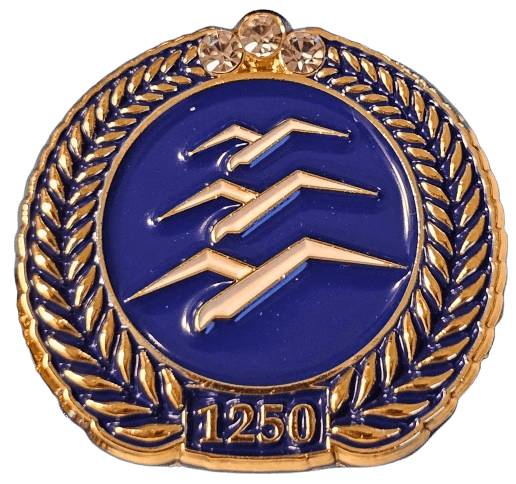
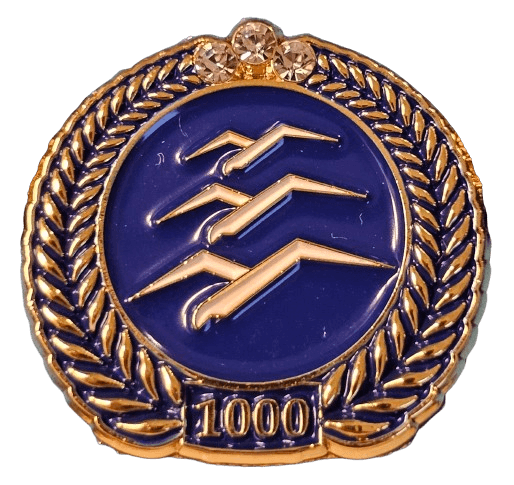
A new community-oriented graphic project now aims to make these badges easier to use, reproduce and present consistently. A complete series of modern vector reconstructions of the gliding badges has been published for community use. The set includes the A, B and C training badges, the Silver, Gold and Diamond performance badges, and the long-distance diploma badges starting at 750 km. The files are intended for use by gliding clubs, national associations, instructors, editors, publishers, designers and anyone preparing educational or historical material about the sport.
From the first solo flights to international achievements
The badge system has deep historical roots. The A, B and C badges originated in the German gliding training system of the 1920s. Their simple blue disc and stylised white gulls became a visual shorthand for the first steps of a glider pilot’s development: the first controlled solo flights, longer solo flights with turns, and the first sustained soaring achievements. The system later became part of international gliding culture. Over time, the badge structure expanded to include the Silver, Gold and Diamond badges, recognising achievements in distance flying, duration, height gain and declared tasks. The long-distance diplomas, beginning at 750 km and continuing in 250 km increments, represent another layer of achievement for pilots flying truly ambitious cross-country tasks. For many pilots, these badges are more than decorative objects. They are milestones. They mark the transition from student to solo pilot, from local soaring to cross-country flying, and from personal ambition to internationally recognised achievement. They also form a common language: a glider pilot in Sweden, Australia, Ireland, Hungary or South Africa will immediately understand what a Silver badge, a Diamond goal flight or a 750 km diploma means.

Why vector reconstruction matters
In the digital age, visual consistency matters more than ever. Clubs need clean images for websites and certificates. National organisations need publication-ready material. Instructors use badges in presentations and training documents. Editors need illustrations for articles, newsletters and historical summaries. Pilots share their achievements online. For all of these uses, low-resolution scans or inconsistent redrawings are not ideal. Vector files solve this problem. They can be scaled without loss of quality, adapted for print or web use, and used as a reliable basis for publication, documentation or production. The new badge series was created as a unified visual reconstruction rather than a new badge system. Its purpose is not to replace the sporting rules or the authority of national associations and the FAI. It is a practical design resource: a consistent, well-documented graphic basis for presenting the badge tradition of gliding.
The reconstruction was developed by Géza Fodor, a Hungarian glider pilot, and made available to the community under an open licence. The aim is simple: to provide clubs, media editors and designers with high-quality source material that respects the historic character of the badges while making them easier to use in modern communication.
What is included
The published material includes individual badge files as well as broader reference and publication assets. The core vector files are available through Wikimedia Commons, where the badges can be accessed as open media resources. A more complete package is also available from GliderAwards.com, including source files, reference PDFs and publication assets.
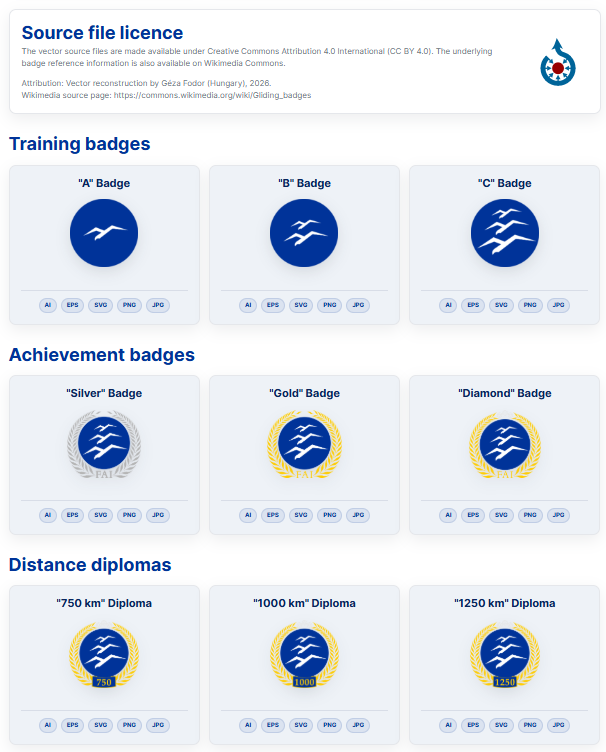
The available badge series covers:
- A, B and C training badges
- Silver badge
- Gold badge
- Diamond badge
- 750 km, 1000 km and 1250 km diploma badges
The files are useful for a wide range of non-commercial and community purposes: club websites, articles, presentations, educational materials, historical displays, event programmes and award-related publications.
Independent, but useful for the whole community
It is important to make a clear distinction: this is an independent community graphic project, not an official FAI product or official badge shop. It does not change the rules for claiming, validating or awarding any gliding achievement. Those remain the responsibility of the relevant sporting authorities and national organisations.
What the project does offer is a clean, consistent and openly available visual foundation. For a sport that values both tradition and precision, that is a useful contribution.
Gliding has always depended on shared knowledge: weather experience, cross-country tactics, club culture, training methods, aircraft maintenance and volunteer work. Visual heritage is part of that shared culture too. Making the badge artwork accessible in a modern format helps preserve that heritage and makes it easier to present it professionally to new generations of pilots.
Downloads
The core vector badge files are available on Wikimedia Commons: https://commons.wikimedia.org/wiki/Gliding_badges
A complete download package, including reference PDFs, publication assets and production-ready graphic files, is available from GliderAwards.com: https://gliderawards.com/downloads
These resources are intended to help the gliding community use the historic badge system more consistently in publications, club communication and educational material.